
How to Read Tyre Wear Patterns on Your Fleet
Your tyres are telling you something. Uneven wear is never random — it points directly to alignment, inflation, or mechanical problems that will cost you if ignored.
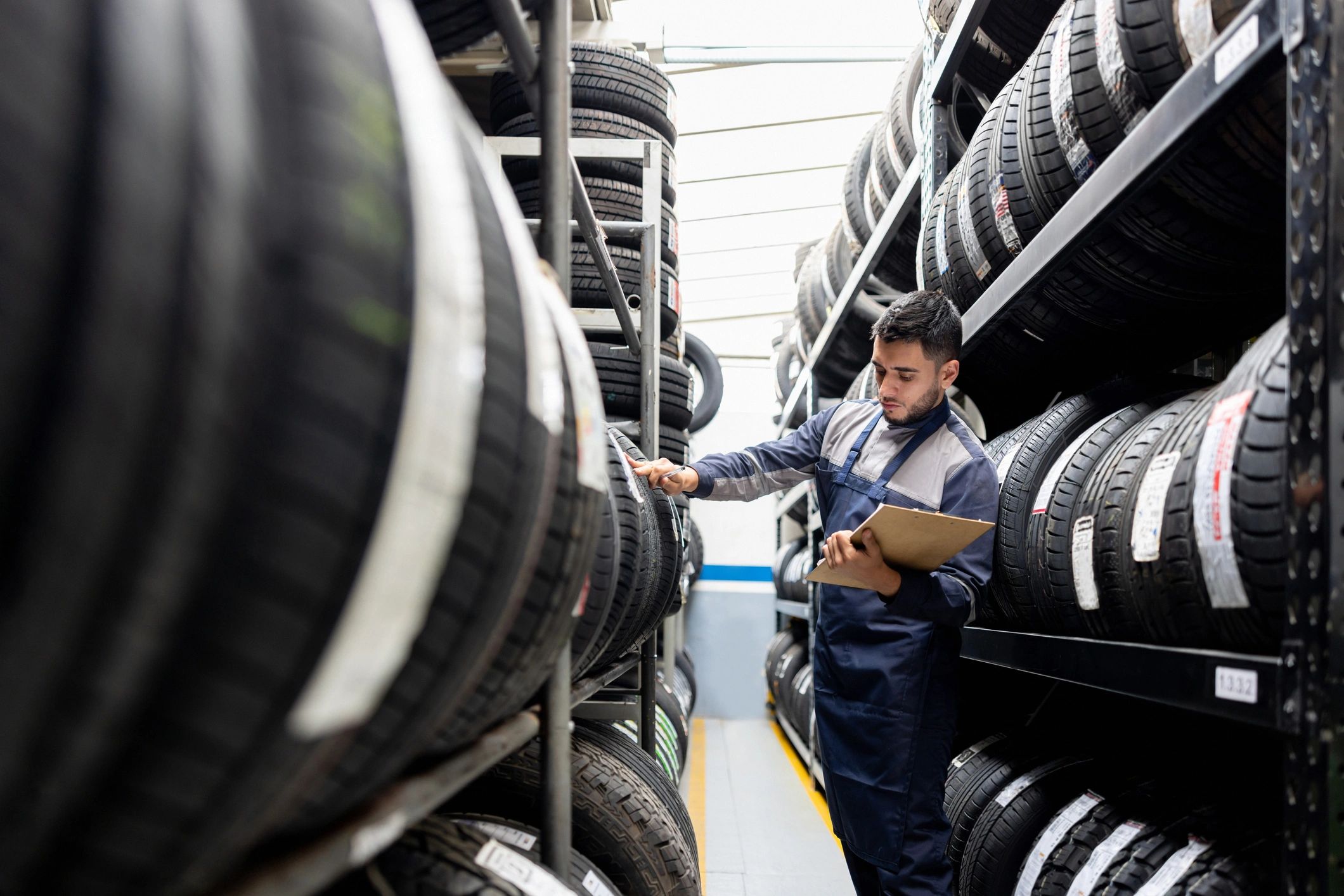
A tyre does not wear unevenly by accident. Every wear pattern is a symptom — a message from your vehicle about something that needs attention. Learn to read these patterns and you will catch problems early, extend tyre life, and prevent the kind of failures that leave your trucks stranded on the N3 at midnight.
Here is a practical guide to the most common wear patterns on commercial fleet tyres and what they mean.
Centre Wear: Over-Inflation
What it looks like: The tread is worn down the middle of the tyre, with the outer edges relatively intact.
What it means: The tyre is over-inflated. When a tyre carries too much pressure, it bulges in the centre and only the middle of the tread contacts the road.
The fix: Check and correct inflation pressures according to the manufacturer's specification for the load being carried. Over-inflation also makes the tyre more vulnerable to impact damage — potholes and kerbs that would otherwise be absorbed can cause internal structural damage.
Edge Wear: Under-Inflation
What it looks like: Both outer edges of the tyre are worn, with the centre relatively intact. Sometimes called "shoulder wear."
What it means: The tyre is under-inflated. Low pressure causes the tyre to flex excessively, putting the load on the outer edges of the tread.
The fix: Inflate to the correct pressure. Under-inflation is one of the leading causes of tyre failure in South African fleets — heat builds up in the sidewall, and the result is a blowout, often at highway speed.
Check pressures when tyres are cold. Pressure rises as tyres heat up during operation; checking a hot tyre and deflating it to the "correct" reading will leave it dangerously under-inflated once it cools.
One-Sided Wear: Alignment Problems
What it looks like: One edge of the tyre is significantly more worn than the other.
What it means: The wheel is out of alignment. Camber misalignment (the wheel tilting inward or outward) causes one shoulder to carry more load than the other.
The fix: Have the vehicle's alignment checked and corrected. On commercial vehicles, alignment should be checked after any significant impact — a pothole, a kerb strike, or a minor collision — and as part of regular scheduled maintenance.
Ignoring alignment issues does not just wear tyres unevenly. It also increases rolling resistance, which costs you fuel, and puts stress on wheel bearings and suspension components.
Feathering or Sawtooth Wear: Toe Misalignment
What it looks like: The tread blocks are worn on one side but sharp on the other, creating a sawtooth or feathered appearance when you run your hand across the tread.
What it means: The wheel has incorrect toe alignment — it is pointing slightly inward (toe-in) or outward (toe-out) relative to the direction of travel. The tyre is effectively scrubbing sideways as it rolls forward.
The fix: Toe alignment correction. This is a common issue on steer axles and is often caused by worn steering components as well as simple misalignment.
Cupping or Scalloping: Suspension Problems
What it looks like: The tread has a wavy, scalloped appearance — high and low spots alternating around the circumference of the tyre.
What it means: The wheel is bouncing rather than rolling smoothly. This is typically caused by worn shock absorbers or dampers, worn wheel bearings, or an out-of-balance tyre.
The fix: Have the suspension and wheel bearings inspected. Replacing worn shock absorbers is far cheaper than the tyre wear — and the safety risk — that cupping represents.
Diagonal Wear: Multiple Causes
What it looks like: Diagonal patches of wear across the tread face.
What it means: This pattern can result from a combination of alignment issues, suspension wear, and incorrect inflation. It is one of the harder patterns to diagnose without a full vehicle inspection.
The fix: A comprehensive alignment and suspension check is needed. Do not simply replace the tyre — the replacement will wear the same way if the underlying cause is not addressed.
Building a Tyre Inspection Routine
Reading wear patterns only works if you are actually looking at your tyres regularly. Build these habits into your fleet maintenance programme:
- Pre-trip inspection: Drivers should visually check tyres before every trip. They are looking for obvious damage, foreign objects, and visible pressure loss — not a detailed wear analysis, but a quick safety check.
- Weekly inspection: A more thorough check by a workshop technician or fleet supervisor. Check pressures, look for wear patterns, check for cuts and bulges.
- Monthly rotation assessment: Assess whether tyres need to be rotated or swapped between positions to even out wear.
- At every service: A full tyre inspection including tread depth measurement should be part of every scheduled service.
When Wear Patterns Mean It Is Already Too Late
Some wear patterns indicate a tyre that needs to be replaced immediately:
- Tread depth below 3mm on any commercial vehicle tyre (legal minimum is 1.6mm, but 3mm is the safety threshold for commercial use)
- Any visible cords or structural fabric
- Sidewall bulges or bubbles
- Deep cuts or punctures in the sidewall
Do not run a tyre that shows these signs. The cost of a blowout — in roadside assistance, potential cargo damage, and driver safety — far exceeds the cost of a replacement tyre.
If you need emergency tyre assistance anywhere in South Africa, Apex Tyre Solutions operates 24/7. Call +27 79 294 4277 — we carry stock and we come to you.
Explore Topics
Written by
Apex Tyre Solutions
Content creator and writer sharing insights and stories.