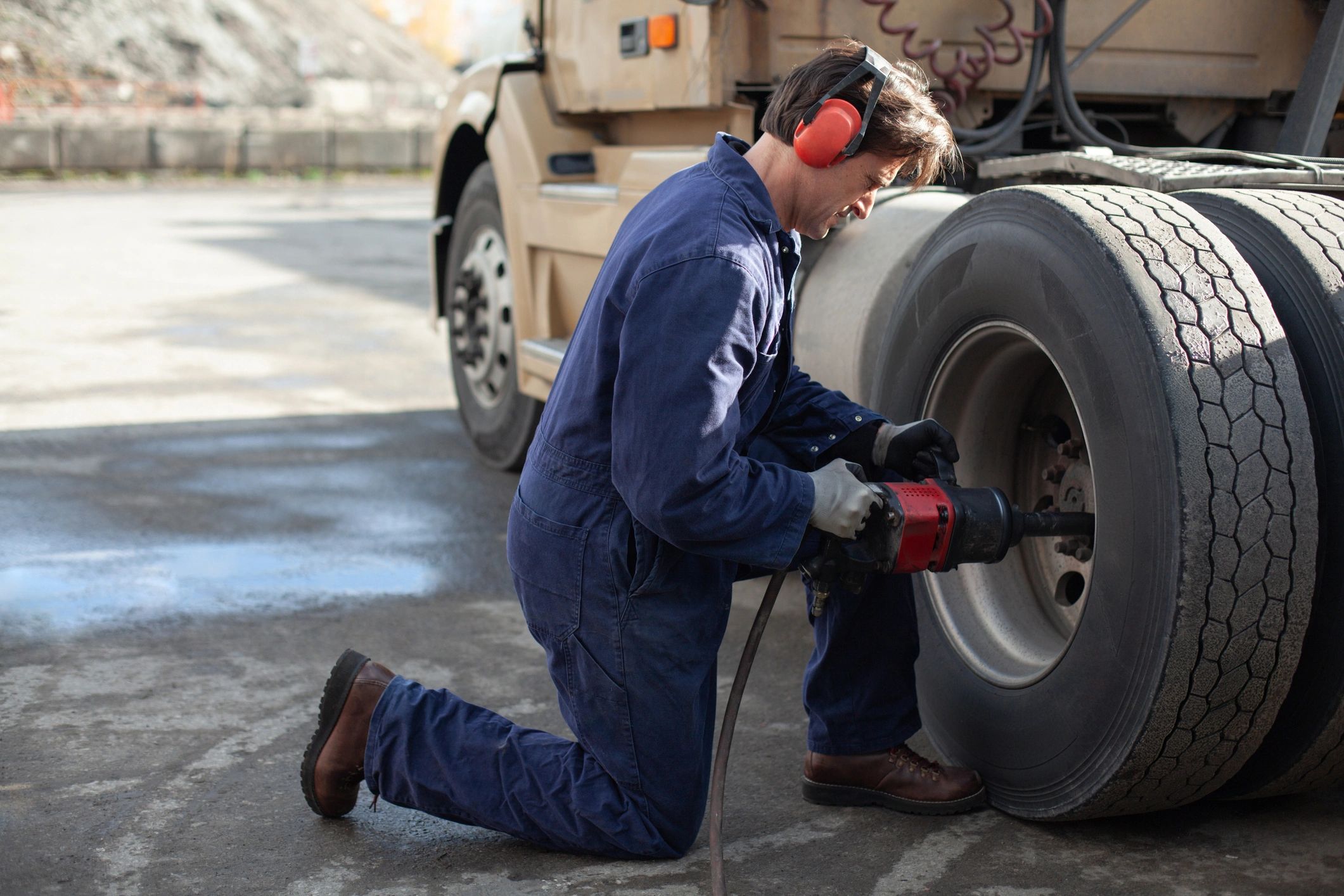
Night Driving and Tyre Safety: What Fleet Managers Must Know
Most tyre-related breakdowns happen at night. Here is why — and what you can do to protect your drivers and your fleet on South African roads after dark.
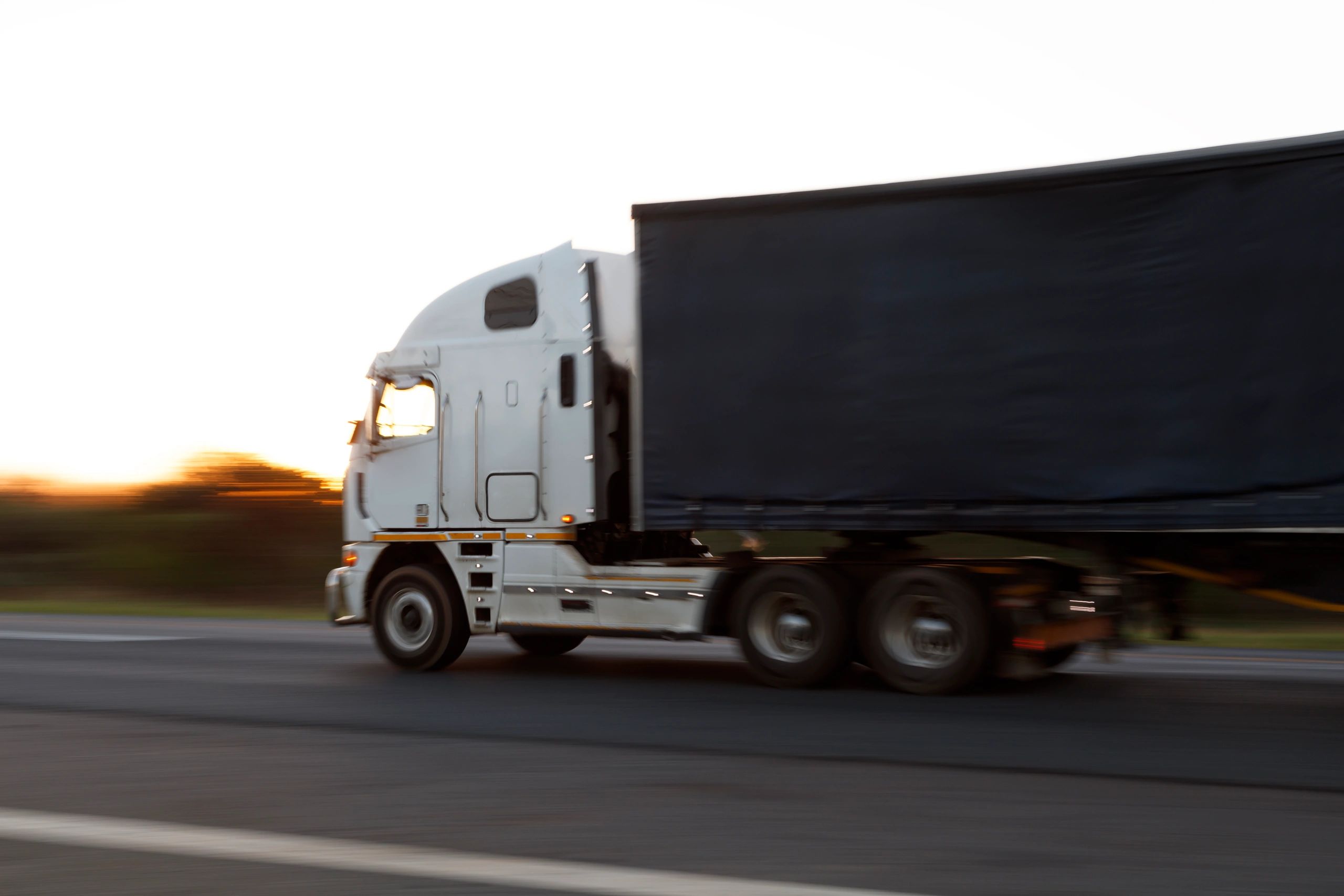
There is a reason Apex Tyre Solutions gets more emergency callouts between 10 PM and 4 AM than at any other time of day. Night driving is harder on tyres — and harder on drivers. The combination is dangerous.
If your fleet runs overnight routes, this is what you need to understand.
Why Tyres Fail More Often at Night
It is not a coincidence. Several factors converge after dark to increase tyre failure risk.
Heat Accumulation from the Day's Running
Commercial tyres build up heat during operation. A truck that has been running since early morning has tyres that have been heating and cooling through multiple cycles by the time it hits the road at night. Repeated heat cycling degrades rubber compounds and weakens the bond between tread and casing.
A tyre that was marginal at 8 AM may fail at 11 PM.
Reduced Visibility of Road Hazards
Potholes, debris, and road damage that a driver would swerve around in daylight are invisible at night until it is too late. South African roads — particularly secondary routes and provincial roads — can deteriorate significantly between maintenance cycles.
A single pothole strike at highway speed can cause immediate tyre failure or internal structural damage that leads to failure hours later.
Driver Fatigue
Fatigued drivers make worse decisions. They are slower to react to road hazards, less likely to notice the early signs of a tyre problem (vibration, pulling, noise), and more likely to push on when they should stop and check.
Driver fatigue and tyre failure are a dangerous combination.
Temperature Drops
In South Africa's interior — the Highveld, Karoo, and Free State — temperatures can drop dramatically overnight. Cold air is denser, which means tyre pressure drops as temperatures fall. A tyre that was correctly inflated at 35°C during the afternoon may be under-inflated by 3 to 5 PSI at 5°C in the early hours.
Under-inflation at highway speed generates heat rapidly. The result is often a blowout.
Pre-Departure Checks for Night Runs
If your fleet runs overnight routes, these checks should be non-negotiable before departure:
Tyre pressure: Check pressures when tyres are cold — before the vehicle has moved. Use the manufacturer's specification for the load being carried. Do not rely on visual inspection; a commercial tyre can lose 20% of its pressure before it looks flat.
Tread depth: Any tyre below 3mm of tread depth should not be dispatched on a night run. Reduced tread depth significantly increases the risk of aquaplaning in wet conditions and reduces the tyre's ability to manage heat.
Visual inspection: Walk around the vehicle. Look for cuts, bulges, or objects embedded in the tread. Check that all valve caps are in place — they are the last line of defence against slow pressure loss.
Spare tyre: Confirm the spare is present, correctly inflated, and in serviceable condition. A spare that has been sitting under the vehicle for two years may not be fit for use.
Route Planning for Night Runs
Not all routes are equal after dark. When planning overnight runs:
- Avoid known problem roads where possible. If a route has a history of pothole damage or poor road surface, consider whether it can be scheduled for daylight hours.
- Identify emergency contact points. Drivers should know where the nearest fuel stations, truck stops, and emergency services are along their route.
- Programme Apex Tyre Solutions into every driver's phone. Our number — +27 79 294 4277 — is answered 24/7. We cover all nine provinces and we carry stock. A driver who knows help is one call away is a calmer, safer driver.
What Drivers Should Do When a Tyre Fails at Night
A tyre failure at highway speed is terrifying. Driver training on how to respond can be the difference between a controlled stop and a serious accident.
Do not brake hard. Sudden braking after a blowout can cause loss of control. Grip the steering wheel firmly, ease off the accelerator, and allow the vehicle to slow gradually.
Steer straight. The vehicle will pull toward the failed tyre. Resist the pull with steady steering input — do not overcorrect.
Get off the road safely. Signal, move to the shoulder, and get as far off the road as possible. On a highway, this means past the white line and onto the gravel if possible.
Make the vehicle visible. Hazard lights on immediately. Reflective triangles placed at the correct distances behind the vehicle. If the driver has a high-visibility vest, it should be worn before they exit the cab.
Call for help. Do not attempt to change a truck tyre on a dark highway shoulder alone. Call Apex Tyre Solutions on +27 79 294 4277. We will come to you.
The Fleet Manager's Responsibility
Night driving risk is manageable. It requires:
- Rigorous pre-departure tyre checks
- A clear policy on tyre condition standards — no marginal tyres on overnight runs
- Driver training on tyre failure response
- A reliable emergency tyre response partner
Apex Tyre Solutions is that partner for fleets across South Africa. We are available every night, every weekend, every public holiday. Because tyre failures do not take days off.
Explore Topics
Written by
Apex Tyre Solutions
Content creator and writer sharing insights and stories.