Choosing the Right Tyre for South African Road Conditions
From the N1 to farm roads in Limpopo, South African roads demand a lot from commercial tyres. Here is how to match your tyre choice to your actual operating conditions.
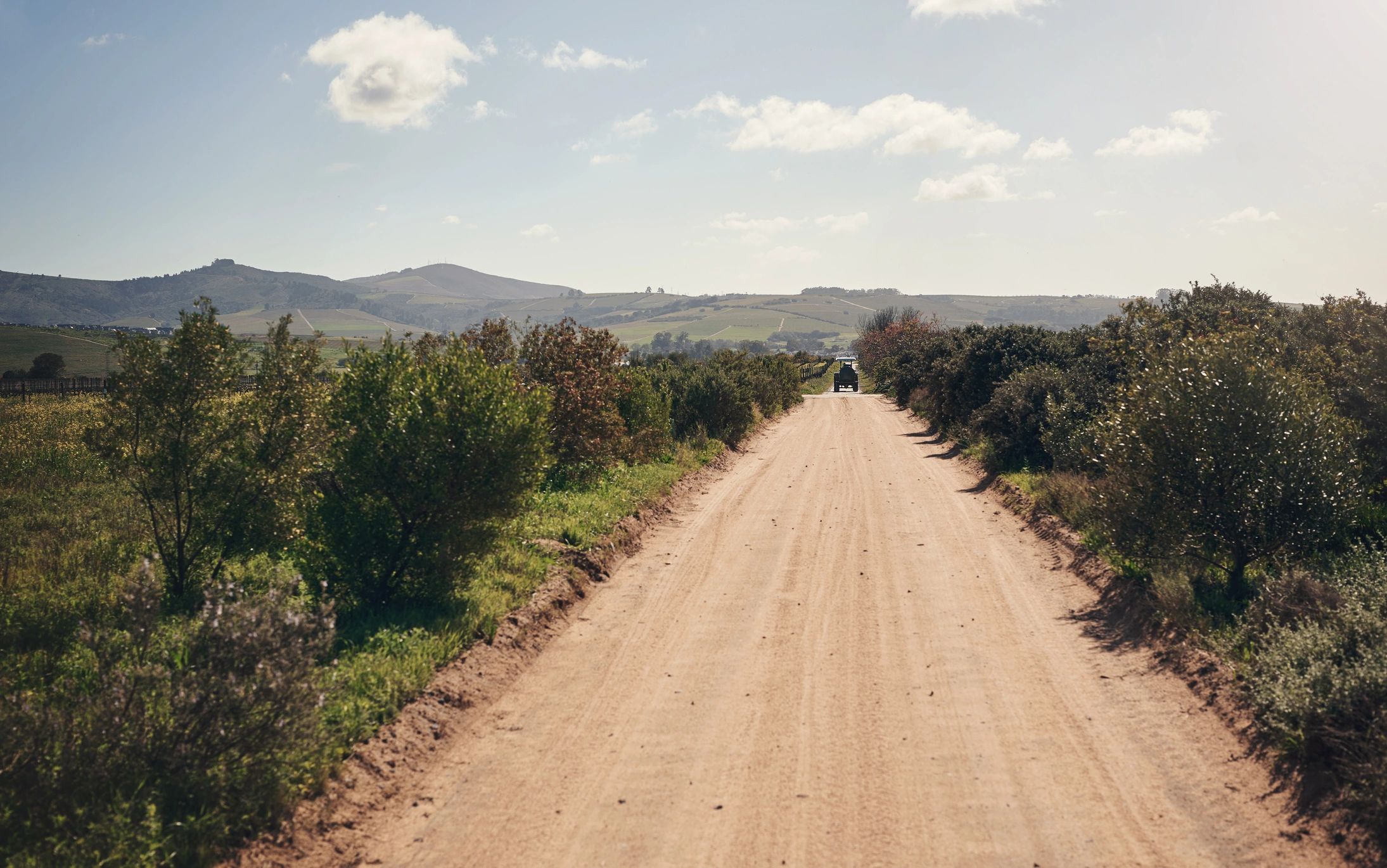
South Africa does not have one road network. It has several — and they demand very different things from your tyres.
The N1 between Johannesburg and Cape Town is a well-maintained, high-speed highway. The R37 between Polokwane and Tzaneen is a different story. Farm roads in the Northern Cape are different again. And if your fleet operates across multiple provinces and route types, you may need different tyre specifications for different vehicles — or a compromise tyre that performs acceptably across all conditions.
Here is a practical framework for making the right choice.
Start With Your Route Profile
Before you look at a single tyre specification, map your actual operating conditions:
- What percentage of kilometres are on sealed national or provincial roads?
- What percentage are on gravel, farm roads, or unpaved surfaces?
- What is the typical load — are vehicles running at or near maximum GVM?
- What are the speed profiles — mostly highway, mostly urban, mixed?
- What are the temperature extremes on your routes?
A fleet running 95% sealed highway has very different tyre needs from a fleet doing agricultural deliveries in Mpumalanga. Getting this profile right is the foundation of good tyre selection.
Highway and Long-Haul Routes
For fleets operating predominantly on sealed national roads — the N1, N2, N3, N4, N14 corridors — the priority is:
Low rolling resistance. Rolling resistance directly affects fuel consumption. On a long-haul route, the difference between a high and low rolling resistance tyre can be 3–5% in fuel economy. Over a year and a fleet of 50 trucks, that is a significant number.
Heat management. Highway driving generates sustained heat in tyres. Look for compounds designed for high-speed, sustained operation. Check the tyre's speed rating — it should comfortably exceed your typical operating speed.
Tread life. On sealed roads, tread wear is relatively predictable. Prioritise tyres with proven tread life in highway applications. The cost per kilometre is a better metric than the purchase price.
Recommended tyre types: Highway (H) pattern tyres for drive axles; ribbed or mixed service tyres for steer axles.
Mixed Sealed and Gravel Routes
Many South African fleets operate on routes that mix sealed roads with gravel sections — provincial roads, farm access roads, mine haul roads. This is where tyre selection gets more complex.
A pure highway tyre will wear rapidly on gravel and is vulnerable to cuts and punctures from loose stone. A pure off-road tyre will be noisy, have higher rolling resistance, and wear faster on sealed surfaces.
The solution is a mixed service or all-position tyre designed for this application. Look for:
Cut and chip resistance. Gravel roads throw stones. The tread compound needs to resist cutting and chipping, which can expose the casing and lead to premature failure.
Robust sidewalls. Gravel roads often have sharp edges. Sidewall protection is important — look for tyres with reinforced sidewall compounds.
Acceptable highway performance. The tyre still needs to perform on sealed roads without excessive noise or fuel penalty.
Recommended tyre types: Mixed service (M+S rated) tyres; all-position tyres with cut-resistant compounds.
Severe Off-Road and Mine Applications
If your fleet operates on mine haul roads, construction sites, or severe off-road conditions, you need specialist tyres. These applications involve:
- High loads on rough, unpredictable surfaces
- Slow speeds with high torque
- Extreme risk of cuts, punctures, and sidewall damage
Standard commercial tyres are not designed for these conditions. Specialist earthmover or severe service tyres with reinforced construction and cut-resistant compounds are required.
This is also an application where retreading economics change — the casing damage rate in severe off-road conditions is higher, and casing life is shorter.
The Temperature Factor
South Africa's climate varies dramatically. The Western Cape has mild, wet winters. The Highveld has hot summers and cold, dry winters with significant frost. The Northern Cape and Karoo experience extreme heat.
Temperature affects tyre pressure — and therefore tyre performance and wear. Fleets operating across multiple climate zones need to account for this in their inflation management. A tyre correctly inflated in Johannesburg in July may be over-inflated in Durban in January.
TPMS (tyre pressure monitoring systems) are particularly valuable for fleets with diverse route profiles, because they give real-time pressure data regardless of ambient temperature.
Load Rating: Do Not Compromise
Every commercial tyre has a load rating — the maximum load it is designed to carry at a specified inflation pressure. Running a tyre beyond its load rating, even briefly, causes internal structural damage that may not be immediately visible but will lead to premature failure.
Check that your tyre specifications match your actual operating loads. If your vehicles are regularly loaded to maximum GVM, your tyres need to be rated for that load — not just the average load.
The Total Cost of Ownership Approach
The cheapest tyre is rarely the most economical tyre. When evaluating options, calculate cost per kilometre rather than purchase price:
Cost per kilometre = (Purchase price + fitting cost) ÷ Expected tyre life in kilometres
A tyre that costs R500 more but lasts 30,000 kilometres longer is significantly more economical. Factor in the cost of downtime if the cheaper tyre fails prematurely, and the economics become even clearer.
Getting the Specification Right
If you are unsure about the right tyre specification for your fleet, talk to a specialist. The tyre size, load rating, speed rating, and tread pattern all need to match your application.
Apex Tyre Solutions works with fleet operators across South Africa to match tyre specifications to operating conditions. We carry a range of commercial tyres and can advise on the right choice for your routes, your loads, and your budget.
Call us on +27 79 294 4277 — or if you need emergency roadside assistance, we are available 24/7, anywhere in South Africa.
Explore Topics
Written by
Apex Tyre Solutions
Content creator and writer sharing insights and stories.